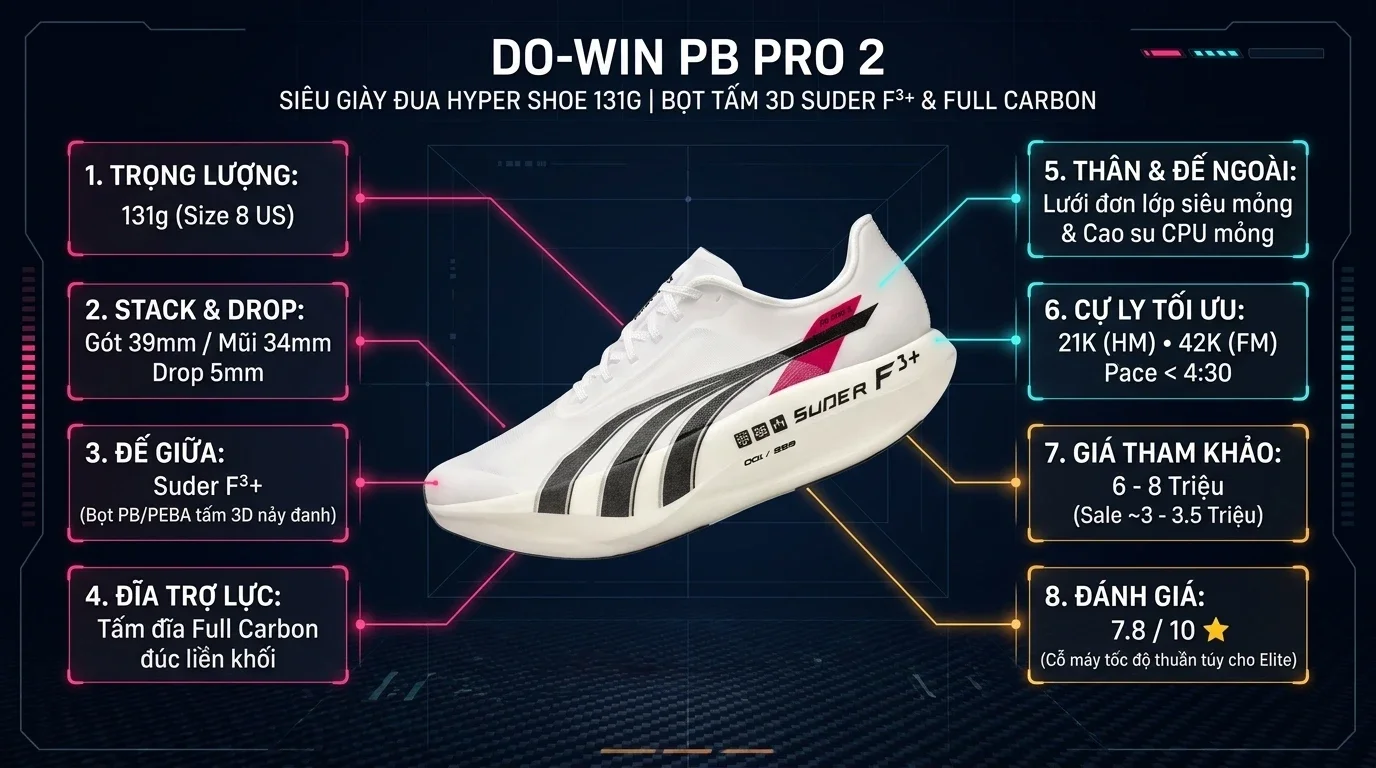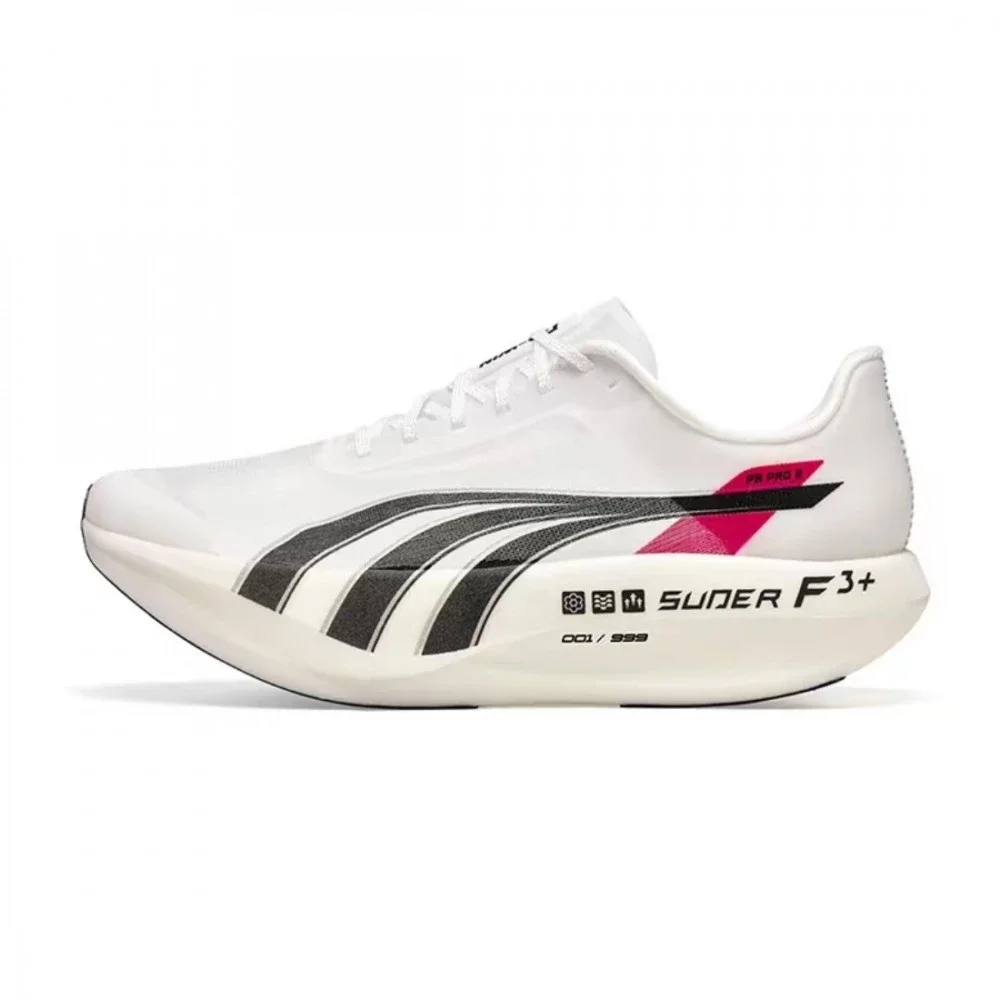
When Do-Win unveiled the PB Pro 2, the running world blinked in disbelief: a staggering 131g for a US Men’s 8. It’s lighter than the Vaporfly or the Evo 1, yet packs a full 39mm stack height. But that record-breaking weight comes with a polarizing price tag: 6 to 8 million VND ($240-$320 USD).
Known as a “budget-king” brand, this bold move by Do-Win has sparked heated debate. Is this a legitimate performance competitor to the industry titans, or just an inflated PR stunt? Let’s break down the data from the Chinese domestic market to see if it delivers.
Under the Hood: 131g and the Suder F³+ Foam
Before digging into the performance, let’s look at the verified specs of this long-distance racer:
- Weight: 131g (US Men’s 8) — currently among the lightest race shoes on the planet with a 39mm stack height.
- Stack & Drop: 39mm heel / 34mm forefoot, creating a 5mm drop tailored for midfoot and forefoot strikers.
- Midsole: Suder F³+ (3D-molded PEBA-based foam) provides precise density control to slash weight while maintaining high energy return.
- Propulsion: A full-length carbon plate encased between two foam layers for maximum longitudinal stiffness and a snappy lever effect.
- Outsole: Minimalist CPU rubber patches strategically placed in high-wear zones for grip.
- Upper: Single-layer, high-tensile synthetic mesh—ultra-thin, water-resistant, and stripped of all non-essential seams.
- MSRP: 6,000,000 – 8,000,000 VND (high-end super shoe territory).
Comparison: PB Pro 2 vs. PB Pro 1
- Weight: The PB Pro 2 (131g) is significantly lighter than the 145g original, making for a nimbler feel in the final miles.
- Midsole: Upgraded from standard Suder F³ to the 3D-molded F³+ for a snappier, firmer ride with better resistance to compression.
- Carbon Plate: A more aggressive longitudinal curve to encourage a quicker turnover (cadence).
- Pricing: A massive jump from budget-friendly to premium pricing, creating a significant barrier to entry.
Lockdown: Minimalist Upper, Maximum Precision
Early feedback from the Chinese market suggests the upper is Spartan to the point of harshness. The single-layer mesh is stiff with almost zero vertical stretch. It is built strictly for speed, keeping the foot locked in place during high-pace intervals or sharp corners.
Despite the weight shedding, the heel counter retains a razor-thin internal support, matched with a minimal heel collar. The paper-thin tongue features only a tiny sliver of foam to disperse lace pressure. Given the aggressive lockdown, testers recommend going down 0.5 cm from your standard size (e.g., from 26cm to 25.5cm) for that true race-fit and to prevent toe slippage.
The 30km Test: Is the Firm Ride a Savior or a Strain?
Unlike the bouncy, cloud-like cushioning of many Western competitors, the Do-Win PB Pro 2 leans firm and reactive.
Suder F³+ foam, paired with a stiff carbon plate, provides immense lateral stability. For a 57kg runner, the response is near-instant with no “mushy” feeling. The rocker geometry pushes the runner forward, encouraging a midfoot landing.
Crucially, in a marathon, this firmness pays off after the 30km mark. When fatigue sets in, overly soft foams can cause foot collapse and energy loss. The PB Pro 2 acts like a chassis, maintaining your cadence when your legs are toast. The catch? You need strong calves and ankles to handle the carbon plate’s rigidity.
The Pricing Paradox: A Budget Brand Wearing an Expensive Suit
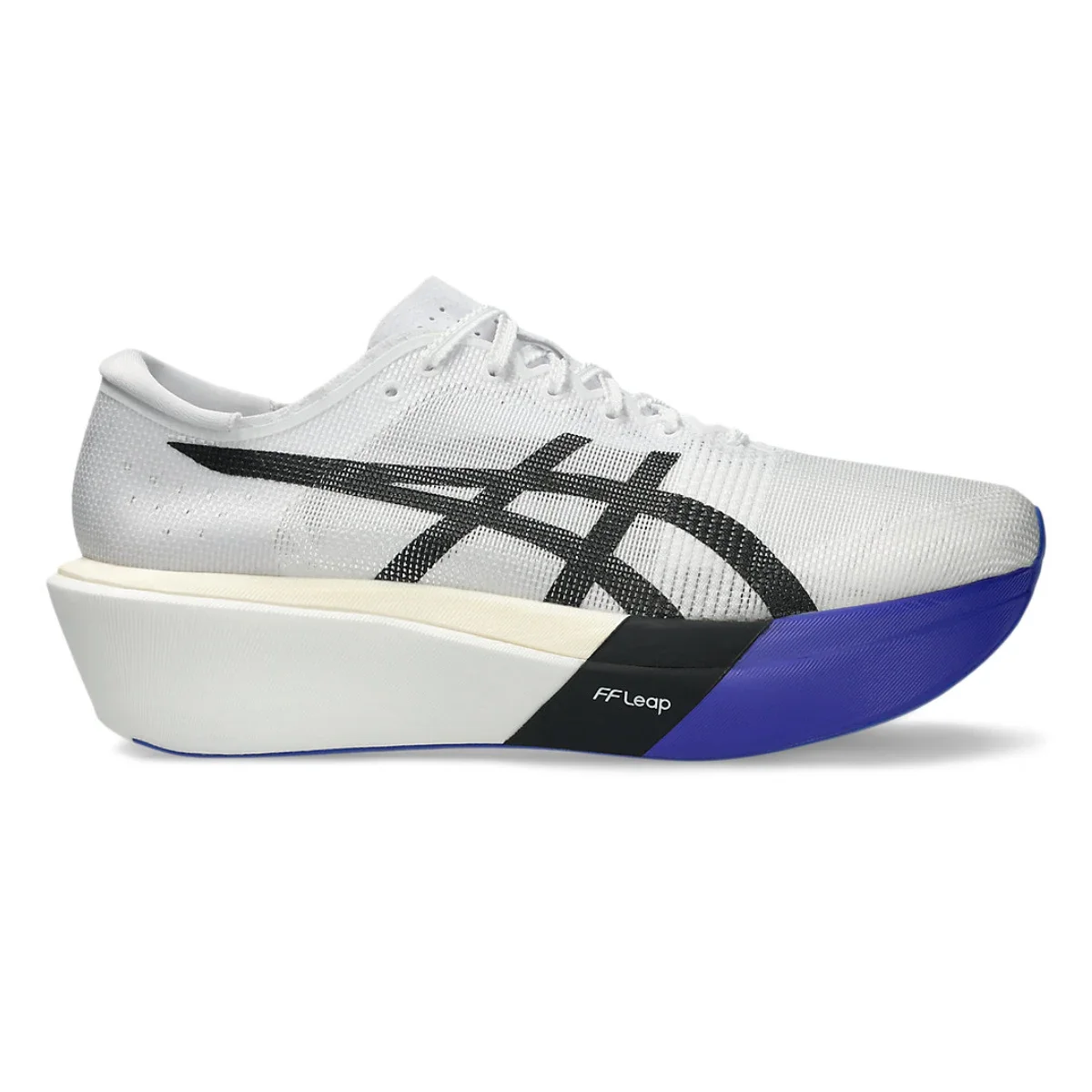
Let’s be honest: Do-Win is historically defined by value. Pricing the PB Pro 2 at 6-8 million VND is a massive gamble. At this price point, you are competing directly with the Adidas Adios Pro 4, Asics Metaspeed series, and the Puma Fast-R 3—shoes with proven global track records.
My take: Only buy these if the price drops below 4,000,000 VND. At 3,000,000 to 3,500,000 VND, they become a legitimate value-proposition.
Be patient. Do-Win is a high-volume, performance-for-price manufacturer. Heavy discounts are inevitable. Wait a few months for the launch hype to fade, and you might score a technological bargain.
Verdict: Ultimate Weapon or PR Gamble?
The Do-Win PB Pro 2 isn’t for the masses. It is a specialized tool for advanced runners.
- Who it’s for: Experienced runners with efficient mechanics, high cadence, and strong lower-leg conditioning. It’s an ideal weapon for Sub 3:00 / Sub 3:30 Marathoners looking for every gram of mechanical efficiency.
- Who should skip it:
- Beginners or those with weak lower-leg strength.
- Runners looking for a daily trainer or a cushioned cruiser.
- Wide-footed runners or heavier athletes needing deep cushioning to manage impact.
- Skeptics wary of paying a premium for a non-established racing brand.
Is the Do-Win PB Pro 2 good for beginners?
No. This is a pure hyper-shoe with an aggressive carbon plate and firm foam. Beginners often lack the foot and ankle strength to handle the rigidity, which may lead to injury.
Why is the MSRP so high (6-8M VND)?
It reflects the cost of high-end materials: 3D-molded PEBA foam and full-length carbon plates. However, this price is hard to justify given the brand’s lack of heritage in the premium racing segment.
What is a fair price to pay?
Anything under 4,000,000 VND is reasonable. The sweet spot is 3,000,000 - 3,500,000 VND. Wait for the post-launch sales.
How does 131g help in a 42km Marathon?
Every gram counts in late-race fatigue. A 131g shoe reduces the effort required to lift the foot, helping you maintain a consistent cadence long after your quads have started to burn.
How should I size the PB Pro 2?
Because the upper is stiff and non-stretchy, most testers recommend sizing down 0.5cm from your standard daily trainer to get a locked-in, race-ready fit.